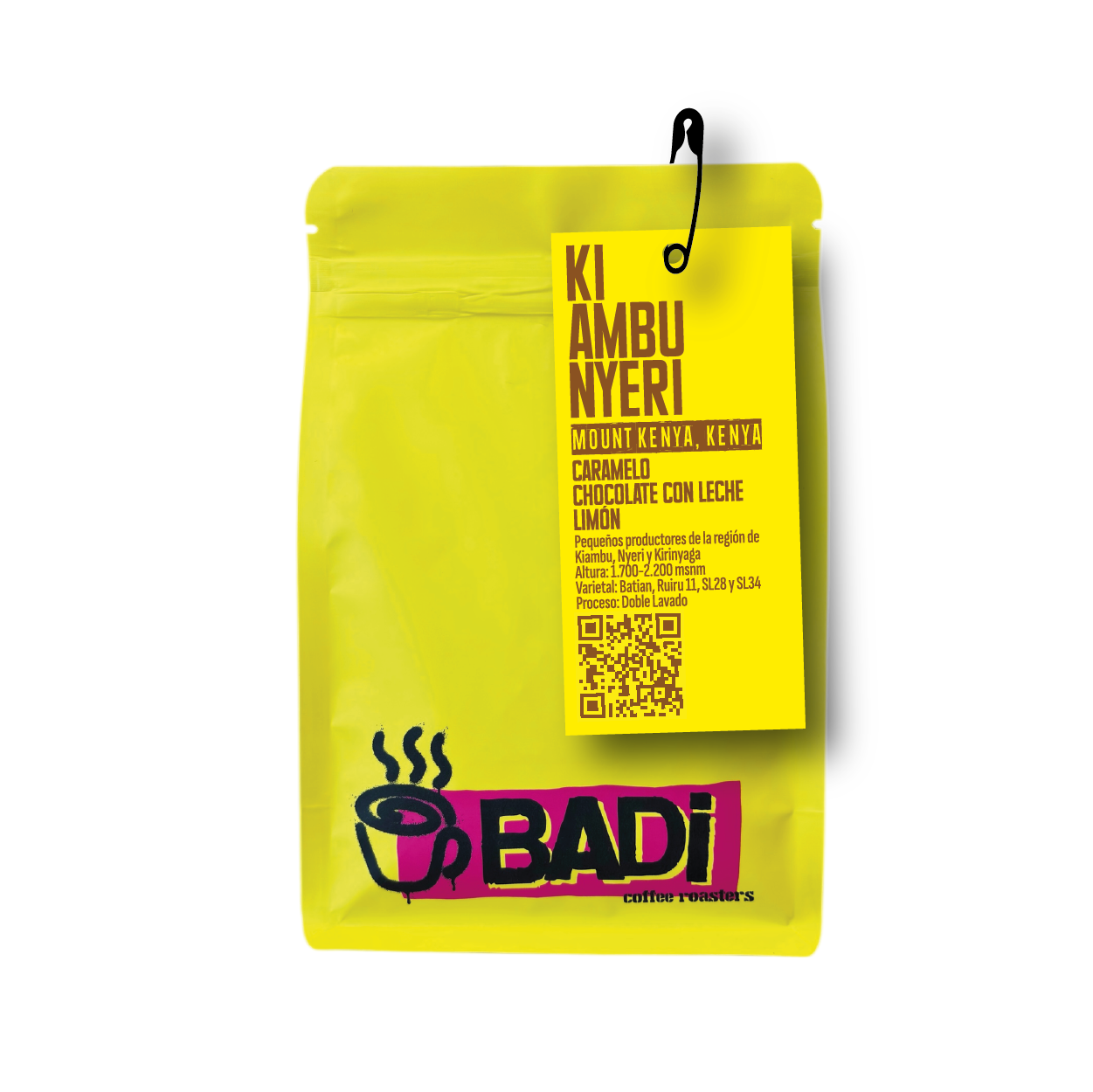

Kiambu Nyeri KENYA
A sweet, soft, and balanced coffee. Notes of caramel, lemon, milk chocolate, and a subtle hint of malt.
Couldn't load pickup availability
Pickup available at calle maestro 20
Usually ready in 24 hoursCombines well with
Kiambu Nyeri KENYA
Tasting notes
A coffee that starts with freshness and finishes round. Lemon and citrus give it a lively touch, while caramel, malt, and milk chocolate make it smooth and sweet. Sweet, clean, and with an engaging texture.
Coffee Region: Mount Kenya, Kenya
Mount Kenya, Kenya
Located in the central highlands of the country, south of the iconic Mount Kenya, this coffee-growing region spans the counties of Nyeri, Kirinyaga, and Kiambu, on the high plateaus of the Kiambu denomination. It is an area renowned for its fertile volcanic soils, traditional farming practices, and smallholder farmers who cultivate coffee on family plots.
Altitude: Between 1,700 and 2,200 meters, with natural terraces that offer good sun exposure and mild temperatures, allowing for slow and even bean maturation.
Climate: High-altitude tropical, with well-distributed rainfall throughout the year and cool nights that promote the concentration of sugars and acidity in the fruit.
Cup profile: High acidity, juicy and clean body. Intense notes of forest fruits, bright citrus, and a sweet background reminiscent of caramel.
A coffee that reflects the altitude, biodiversity, and agricultural precision of the heart of Kenya.
Recipe: Espresso and Italian Moka
Espresso
Recommended ratio: 1:2 (for every gram of ground coffee, extract twice that amount in liquid).
Grind: 18 g (fine grind, similar to table salt).
Extraction time: 25-35 seconds.
Moka Pot
Grind: Medium-fine (like fine salt, but not as fine as for espresso).
Water: Fill the base up to the safety valve (do not exceed it).
Heat: Medium-low
Take a moment to appreciate the aromas, serve the coffee, and enjoy.
Varietal: SL28, SL34, Batian & Ruiru 11
In Kiambu, SL28 and SL34 varietals predominate, known for their bright acidity and complex black fruit profiles. Alongside them, Ruiru 11 and Batian offer greater disease resistance and good body and sweetness, maintaining an increasingly outstanding cup quality in modern Kenyan coffee.
Process: Double Washed Kenyan
Kenyan Double Wash
The Kenyan double wash is one of the most precise wet processes in the world. The result: clean, bright coffees with vibrant acidity.
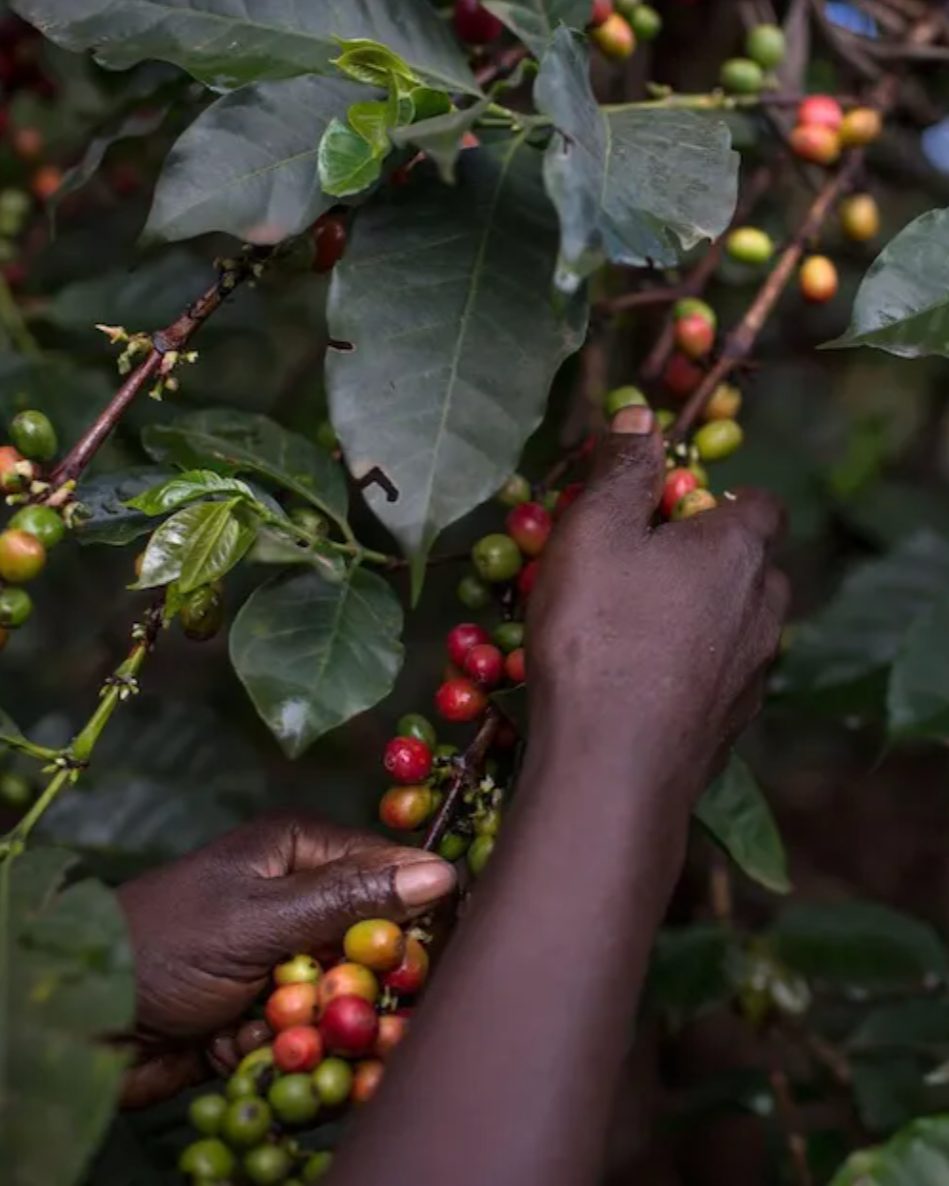
1. Immediate pulping: After harvesting, ripe cherries are pulped the same day to remove the skin and pulp, preventing early and unwanted fermentations.
2. Controlled fermentation (12–48 h): The beans, still covered in mucilage, are placed in tanks of clean water. There, they ferment for 12 to 48 hours, depending on the ambient temperature. During this stage, enzymes and microorganisms break down the mucilage in a controlled manner.
3. Thorough washing: After fermentation, the beans are washed with water in channels, classifying them by density. This step ensures total cleanliness before drying.
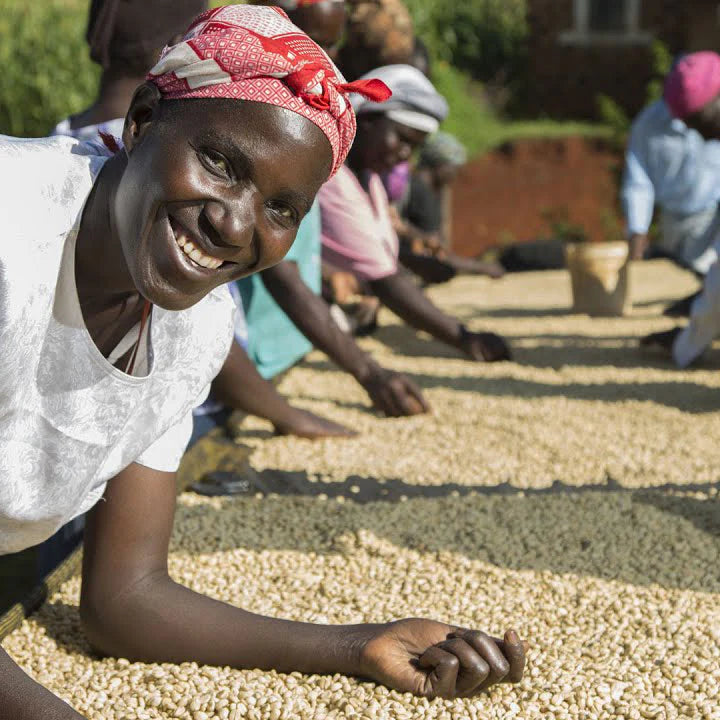
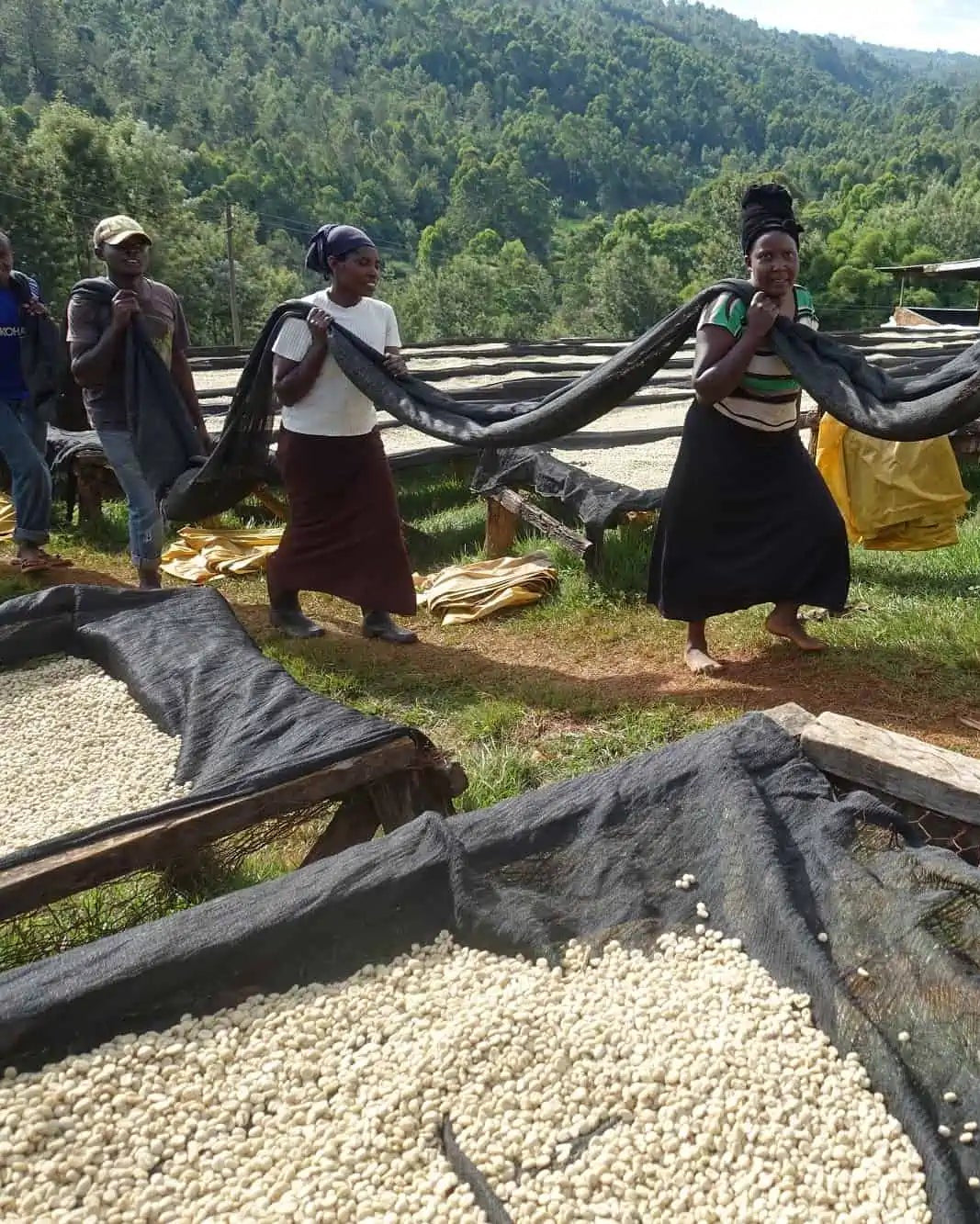
4. Drying on African beds (7–15 days): The beans are spread on raised beds in the sun. They are turned several times a day for uniform drying until they reach the optimal moisture level.
Roast: Espresso
Espresso Roast Profile
This profile balances sweetness and acidity, caramelizing the bean's natural sugars and transforming them into deeper, sweeter notes, achieving an ideal profile for espresso.
If you have any questions, you are always welcome to contact us. We'll get back to you as soon as possible, within 24 hours on weekdays.
Información
Share contact information, store details, and brand content with your customers.
Datos de Envío
Use this text to answer questions in as much detail as possible for your customers.
Atención al cliente
Use this text to answer questions in as much detail as possible for your customers.
FAQs
Use this text to answer questions in as much detail as possible for your customers.
Contact Us
Use this text to answer questions in as much detail as possible for your customers.
From farm to cup, a single origin coffee.
If we're talking about Kenyan coffee, we need to look towards the Kiambu highlands.
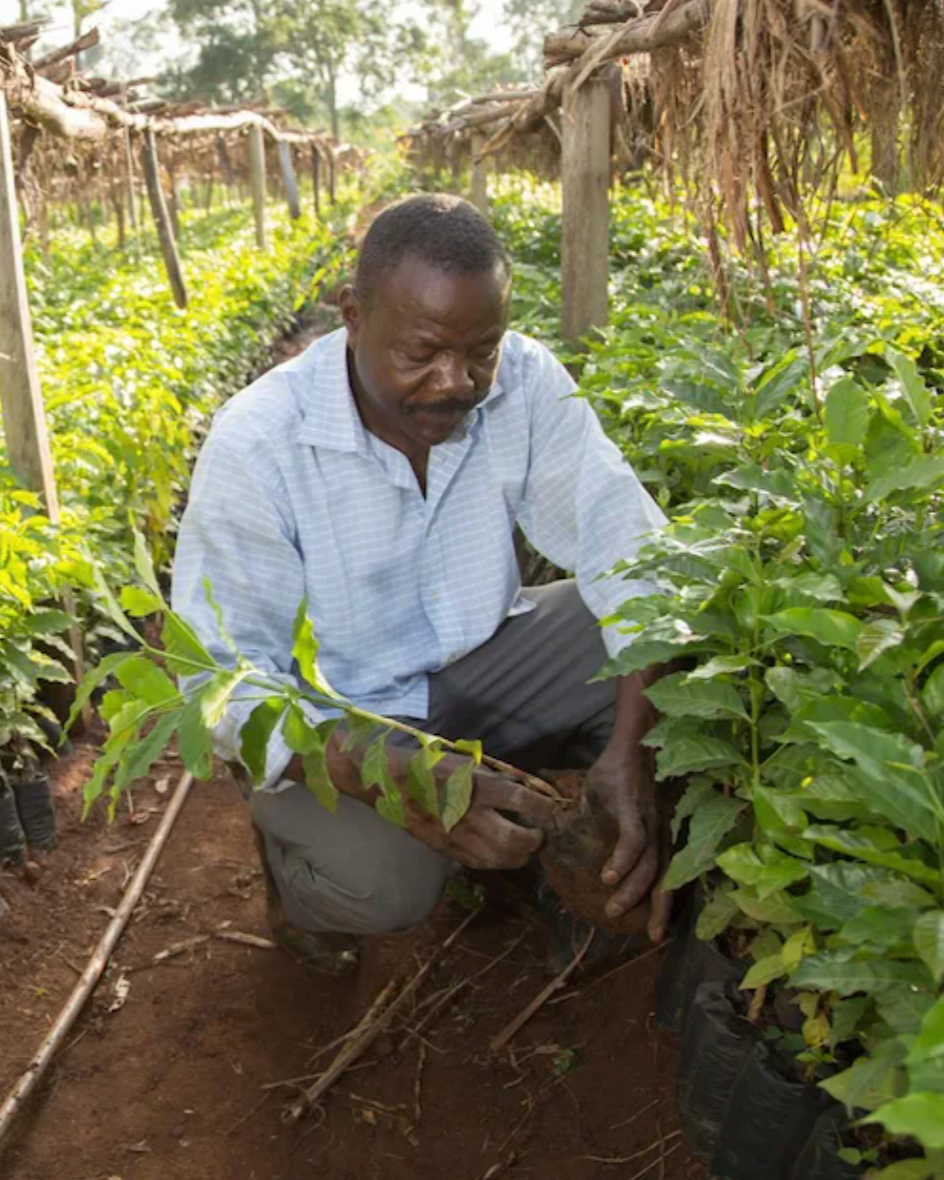
South of the imposing Mount Kenya, on the volcanic plateaus of Nyeri, Kirinyaga, and Kiambu, hundreds of small producers cultivate coffee on family plots of less than one hectare. Each contributes their part to a collective blend, born from fertile soils, altitudes between 1,400 and 2,200 meters, and a temperate climate that favors the slow ripening of the fruit.
The beans are hand-picked and processed using the Kenyan double-wash method: a process that Kenya has perfected into a global benchmark.
The result is a clean, precise, and elegant coffee. With brilliant acidity, citrus and fruity notes, and a clarity in the cup that only these lands can offer.
A blend with character that today represents the best of African specialty coffee.